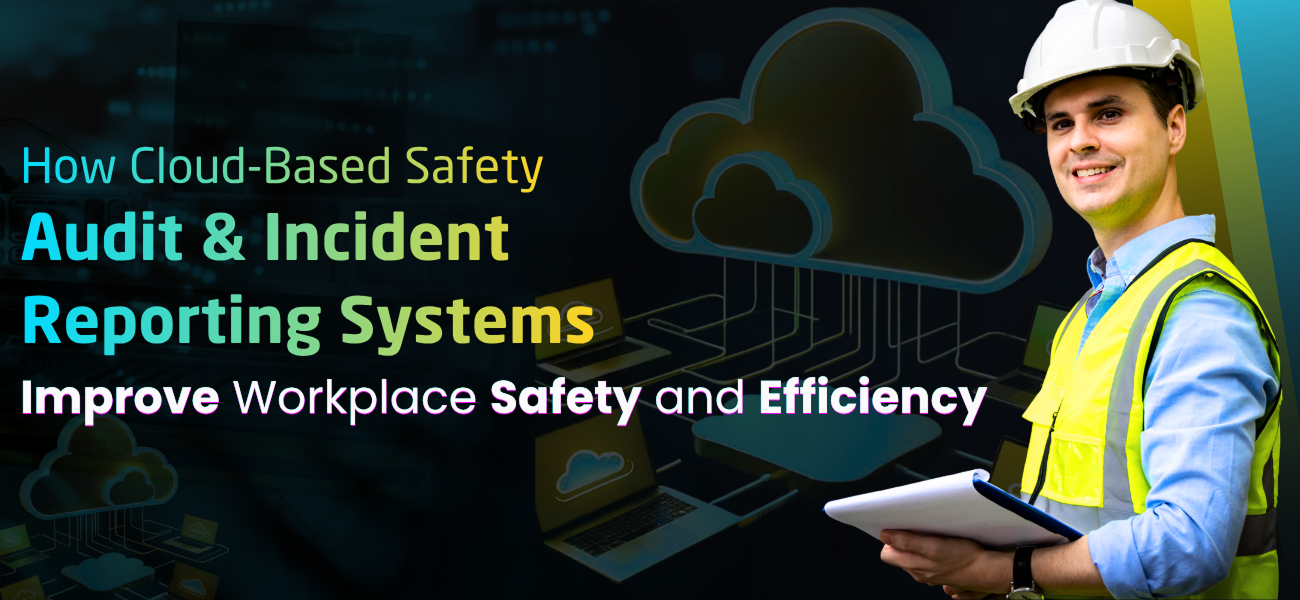
In today’s fast-paced and highly regulated business environment, workplace safety is no longer just a compliance requirement—it is a critical driver of operational efficiency and organizational success. Companies across industries are shifting from manual, paper-based processes to smarter, technology-driven solutions.
This shift has led to the rapid adoption of cloud safety software, modern incident reporting systems, and digital safety audits—tools that are transforming how organizations manage safety, reduce risks, and improve performance.
Let’s explore how these cloud-based solutions are redefining workplace safety and efficiency.
The Limitations of Traditional Safety Management
Many organizations still rely on outdated methods such as spreadsheets, paper forms, and disconnected systems to manage safety audits and incidents.
These approaches often result in:
- Delayed incident reporting
- Inaccurate or incomplete data
- Lack of real-time visibility
- Inefficient audits
- Increased compliance risks
Without a centralized system, it becomes difficult to identify patterns, respond quickly, and prevent future incidents.
What is Cloud Safety Software?
Cloud safety software is a digital platform that enables organizations to manage safety processes, audits, and incident reporting through a centralized, cloud-based system.
Key features include:
- Real-time data access from anywhere
- Automated workflows and notifications
- Centralized safety records
- Integration with other enterprise systems
By moving safety management to the cloud, organizations gain flexibility, scalability, and improved control over their operations.
The Role of Digital Safety Audits
Digital safety audits replace traditional paper-based inspections with mobile and cloud-enabled tools.
Key Advantages:
- Inspectors can conduct audits using mobile devices
- Standardized checklists ensure consistency
- Real-time data capture and reporting
- Instant identification of risks and non-compliance
Digital audits not only improve accuracy but also significantly reduce the time required to complete inspections.
Incident Reporting Systems: A Game Changer
An advanced incident reporting system allows employees to report safety incidents, near-misses, and hazards in real time.
Core Capabilities:
- Quick and easy incident reporting via mobile or web
- Automated alerts and escalation workflows
- Root cause analysis tools
- Incident tracking and resolution management
This ensures that incidents are not only recorded but also analyzed and resolved efficiently.
How Cloud-Based Systems Improve Workplace Safety
1. Real-Time Visibility and Faster Response
With cloud safety software, organizations gain instant access to safety data across all locations.
This enables:
- Immediate incident reporting
- Faster response to hazards
- Real-time monitoring of safety performance
Quick action can prevent minor issues from escalating into major incidents.
2. Proactive Risk Management
By combining digital safety audits with analytics, businesses can identify patterns and potential risks before they lead to accidents.
For example:
- Repeated safety violations in a specific area
- Equipment-related hazards
- Employee behavior trends
This allows organizations to take preventive measures rather than reactive actions.
3. Improved Compliance and Audit Readiness
Regulatory compliance is a major concern for enterprises. Cloud-based systems ensure that all safety data is:
- Properly documented
- Easily accessible
- Audit-ready at all times
Automated reporting reduces the risk of non-compliance and simplifies regulatory audits.
4. Increased Efficiency and Productivity
Manual processes consume time and resources. Cloud-based solutions automate
repetitive tasks such as:
- Data entry
- Report generation
- Workflow approvals
This leads to:
- Faster audits
- Reduced administrative workload
- Improved team productivity
5. Enhanced Data Accuracy and Insights
Digital systems eliminate human errors associated with manual data entry.
With centralized data, organizations can:
- Generate detailed reports
- Analyze trends
- Make data-driven decisions
This improves overall safety performance and operational efficiency.
6. Stronger Safety Culture
An easy-to-use incident reporting system encourages employees to actively participate in safety initiatives.
Features like mobile reporting and anonymous submissions increase engagement and transparency, fostering a proactive safety culture.
Real-World Applications Across Industries
Manufacturing
Cloud safety software helps monitor equipment safety, conduct regular audits, and prevent workplace accidents.
Construction
Digital safety audits ensure compliance on-site and reduce risks in high-hazard environments.
Oil & Gas
Incident reporting systems enable quick response to hazardous situations, improving overall safety.
Healthcare
Cloud-based solutions ensure patient and staff safety while maintaining compliance with regulations.
Logistics & Warehousing
Real-time monitoring and reporting improve safety in fast-moving operational environments.
Challenges Without Cloud-Based Safety Systems
Organizations that do not adopt modern solutions often face:
- Delayed incident response
- Poor data visibility
- Inefficient audits
- Higher risk of accidents
- Compliance issues
These challenges can lead to financial losses, reputational damage, and operational disruptions.
Best Practices for Implementing Cloud Safety Solutions
To maximize the benefits of cloud safety software, businesses should:
Define Clear Safety Objectives
Identify key goals such as reducing incidents or improving compliance.
Standardize Audit Processes
Use consistent checklists and workflows for digital safety audits.
Encourage Employee Participation
Promote the use of the incident reporting system across all levels.
Leverage Data Analytics
Use insights to continuously improve safety performance.
Ensure Proper Training
Train employees to effectively use digital tools and systems.
The Future of Workplace Safety
The future of safety management is driven by advanced technologies such as:
- Artificial Intelligence (AI)
- Internet of Things (IoT)
- Predictive analytics
- Mobile-first platforms
These innovations will further enhance cloud safety software, enabling:
- Real-time hazard detection
- Predictive risk analysis
- Automated safety compliance
Organizations that embrace these technologies will lead the way in creating safer and more efficient workplaces.
Conclusion
Cloud-based safety audit and incident reporting systems are transforming how organizations manage workplace safety. By leveraging cloud safety software, digital safety audits, and advanced incident reporting systems, businesses can achieve greater efficiency, improved compliance, and proactive risk management.
The shift from manual processes to digital solutions is not just a technological upgrade—it is a strategic move toward building a safer, smarter, and more resilient organization.
Enterprises that invest in these systems today will be better equipped to prevent incidents, optimize operations, and maintain a strong competitive edge in the future.